
5 Mistakes Families Make When Choosing a Senior Living Placement (and How to Avoid Them) 

christine ecktein • March 27, 2026

Overview of Healthcare Advocacy in Orlando, Florida

When you or a loved one is facing a medical situation, the last thing you expect is how confusing and overwhelming the healthcare system can feel. 


Multiple providers. Conflicting information. Unclear next steps. 


And often, no one clearly guiding you through it. 


This is where a healthcare advocate comes in. 


What Is a Healthcare Advocate? 


A healthcare advocate is a professional who helps individuals and families navigate the medical system with clarity, support, and coordination. 


Think of it as having a knowledgeable guide—someone who understands both the clinical side of care and how the system actually works behind the scenes. 


A healthcare advocate can help: 


  • Coordinate care between providers 
  • Prepare you for appointments 
  • Help you understand diagnoses and treatment options 
  • Ensure nothing important is overlooked 
  • Support decision-making during stressful situations 


Why Families Often Feel Overwhelmed 


The healthcare system is not designed to guide patients step-by-step. 


Instead, families are often left to: 


  • Manage appointments on their own 
  • Relay information between providers 
  • Make important decisions without full clarity 


This is where things begin to fall through the cracks. 


When You Might Need a Healthcare Advocate 


You don’t need to be in a crisis to benefit from support. 


You may want to consider working with a healthcare advocate if: 


  • You or a loved one has received a new diagnosis 
  • You feel overwhelmed managing care 
  • You’re unsure if the right decisions are being made 
  • You’re coordinating care for a parent or family member 
  • You want guidance before things become more complicated 


What the Right Support Can Change 


With the right advocacy in place: 


  • You gain clarity instead of confusion 
  • You feel supported instead of overwhelmed 
  • You have a plan instead of uncertainty 


Most importantly—you’re no longer navigating it alone. 


You Don’t Have to Figure This Out Alone 


If you’re navigating a healthcare situation and feel unsure what to do next, having the right support can make all the difference. 


A Nurse’s Heart Advocacy Group provides personalized healthcare advocacy to help guide you through every step with clarity and confidence. 


👉 Schedule a consultation to get the support you need. 


Need Support?

You don't need to do this alone. Talk to a Patient Advocate today to gain clarity and peace of mind.

You don’t have to do this alone. 

Having someone in your corner—who understands both the system and your loved one’s needs—can make all the difference. 

By christine ecktein April 27, 2026
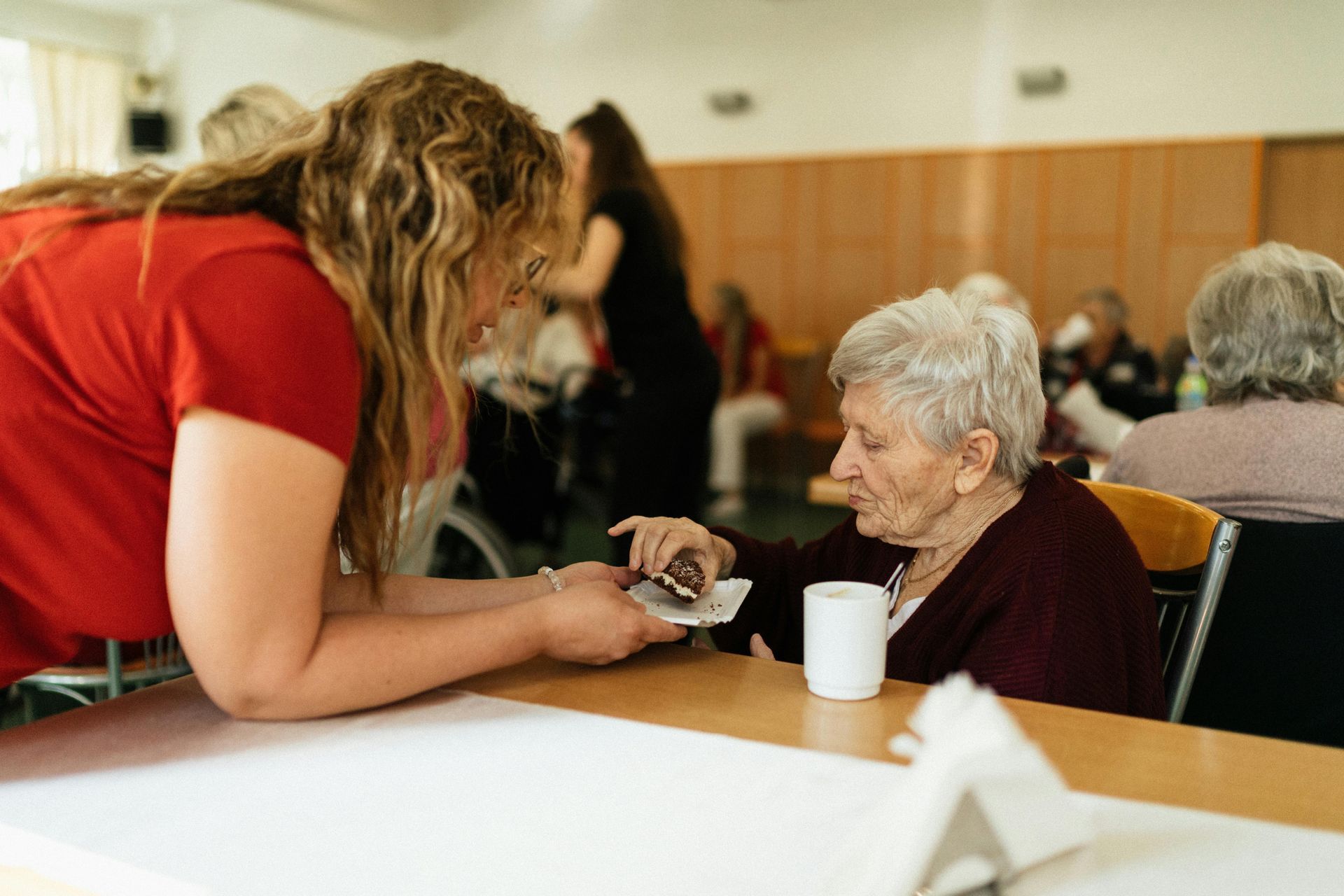
Making the decision to place a loved one into a senior living community or residential home is one of the most emotional and overwhelming experiences a family can face. Often, families are making decisions quickly—after a hospitalization, a fall, or a sudden decline—without fully understanding their options. And unfortunately, that’s when costly mistakes happen. Here are the 5 most common mistakes I see, and how you can avoid them: 1. Waiting Until It’s a Crisis Many families don’t explore options until something urgent happens. This leads to rushed decisions, limited availability, and unnecessary stress. What to do instead: Start exploring options early—even if you’re “not there yet.” Having a plan in place gives you control when things change. 2. Choosing Based on Appearance Alone A beautiful facility doesn’t always mean it’s the right fit. Care levels, staff attentiveness, and resident needs vary widely. What to do instead: Ask deeper questions: What is the staff-to-resident ratio? How do they handle medical or behavioral changes? What is included vs. additional cost? 3. Not Understanding the True Cost Families are often surprised by pricing structures, add-ons, and level-of-care increases. What to do instead: Get a clear breakdown of: Base rate Level of care pricing Additional services This helps avoid unexpected financial strain later. 4. Overlooking Smaller Residential Homes Large communities get most of the attention—but smaller residential care homes can offer: More personalized care Lower resident-to-staff ratios A quieter, home-like environment What to do instead: Explore all options—not just the most visible ones. 5. Trying to Navigate It Alone This process is complex—emotionally and logistically. Families often spend hours researching, calling, touring, and still feel unsure. What to do instead: Work with someone who understands the system, knows the local options, and can guide you based on your loved one’s specific needs.  You Don’t Have to Do This Alone Finding the right placement isn’t just about availability—it’s about the right fit for your loved one’s care, safety, and quality of life. If you’re feeling overwhelmed, unsure where to start, or facing a decision soon, I’m here to help guide you through the process step-by-step. Feel free to reach out for support, questions, or even just to talk through your situation.
By christine ecktein April 20, 2026
Receiving a diagnosis can feel overwhelming. Most people leave that first appointment with more questions than answers. Step 1: Take a Breath You don’t need to figure everything out immediately. Step 2: Understand the Diagnosis Ask: What does this mean? What are the options? Step 3: Get Organized Track: Appointments Medications Questions Step 4: Build the Right Support System This is where many people struggle. Step 5: Consider Professional Guidance Having someone guide you through the process can reduce stress and improve outcomes. 👉 Schedule a consultation to get clarity and a plan forward.
By christine ecktein April 13, 2026
The healthcare system is filled with skilled professionals. So why do so many patients still feel lost? The Reality Healthcare today is fragmented. Specialists don’t always communicate Appointments are rushed Follow-ups are inconsistent Which means… 👉 The responsibility often falls on the patient or family Where Things Go Wrong Miscommunication between providers Missed follow-ups Lack of clear direction Overlooked details The Missing Piece What’s often missing isn’t care. It’s coordination. What a Healthcare Advocate Does Differently Connects all parts of the care team Tracks details and follow-through Ensures nothing important is missed Guides families through decisions Clarity Changes Everything When someone is overseeing the full picture, everything becomes more manageable.
Senior care advocacy and support for aging loved ones in Orlando, Florida
By christine ecktein April 6, 2026
Placing a loved one in a nursing home is never an easy decision. You trust that they will be cared for, monitored, and supported. But many families quietly ask themselves: “Is everything really okay when I’m not there?” Signs Everything May NOT Be Okay Sudden changes in mood or behavior Unexplained weight loss or dehydration Poor hygiene or changes in appearance Lack of communication from staff Frequent staff turnover What Families Often Don’t Realize Even in good facilities, things can be missed. Staff are often overextended. Communication gaps happen. And without consistent oversight, small issues can become bigger problems. How Advocacy Changes This Having a healthcare advocate means: Someone is consistently checking in Care is being monitored Concerns are addressed early Communication is clear and documented Peace of Mind Matters You deserve to know your loved one is truly being cared for—not just assume it. 
Pregnancy support and maternal advocacy services in Orlando, FL
By christine ecktein March 27, 2026
Why Maternal Advocacy Matters
Healthcare advocate reviewing medical documents with client in Orlando, FL
By christine ecktein March 27, 2026
Adult Children of Aging Parents...This is for You